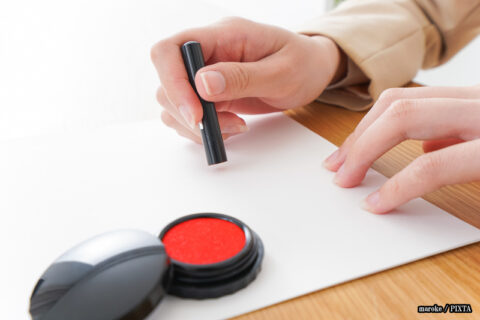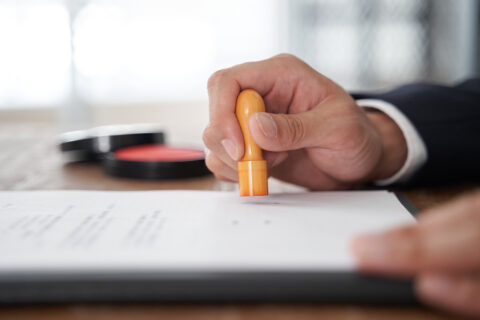

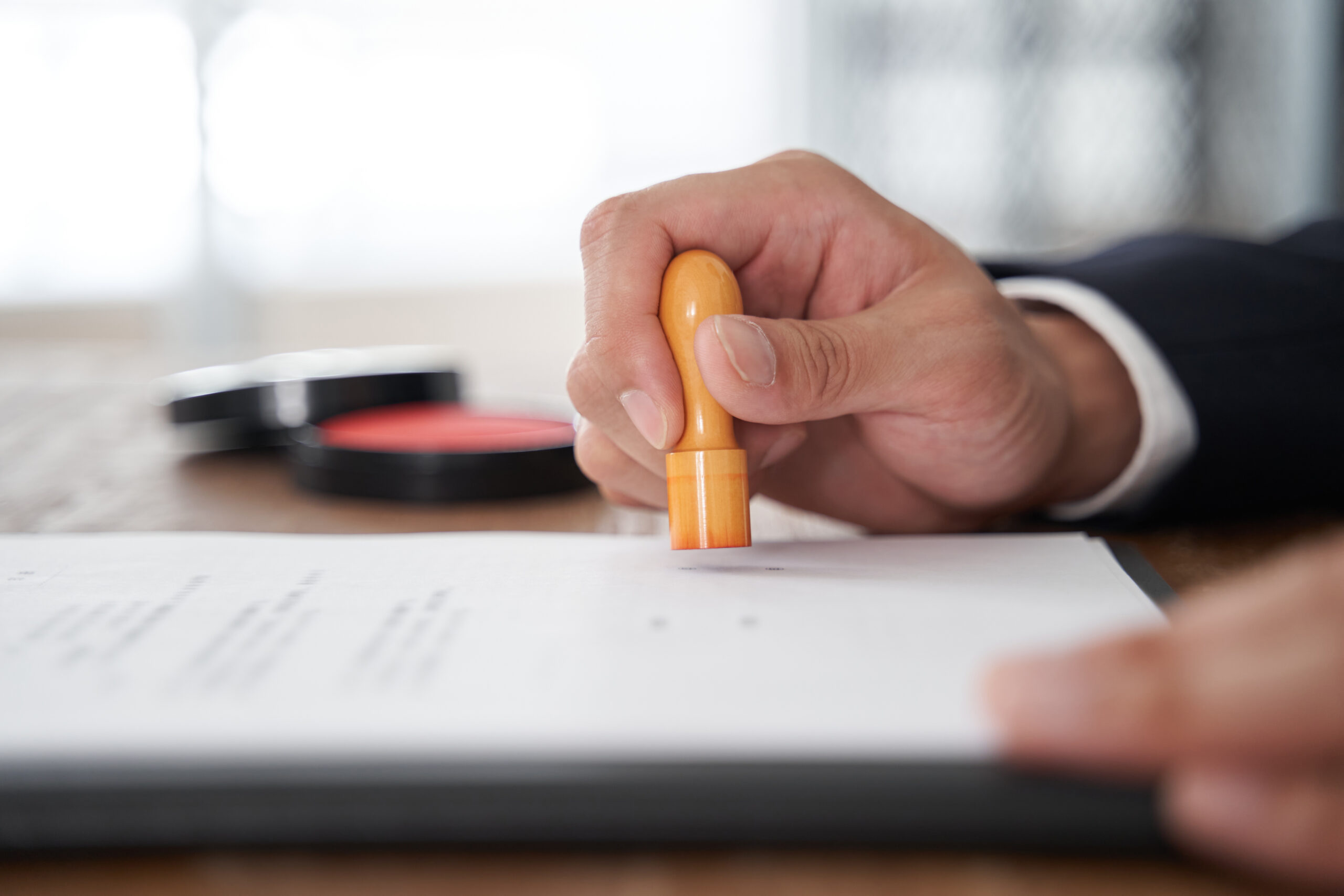
If you’ve landed a design gig in Japan — freelance, agency, or in-house — you’ve probably already encountered your first bureaucratic curveball: the hanko. Not a signature, not an initial, but a small ink stamp that carries real legal and administrative weight across Japanese institutions. For designers specifically, the hanko situation comes up faster than most people expect, and often at the worst moments — mid-contract, during client onboarding, or on the morning your lease paperwork is due.
This guide is written for working designers navigating Japan’s paper-heavy professional ecosystem. Whether you’re a motion designer at a Tokyo studio, a freelance UI/UX consultant juggling multiple clients, or a foreign creative who just moved here and is figuring out how things actually work, the question eventually surfaces: do I need a hanko, and which one?
The short answer is yes, you almost certainly will. The longer answer — which type, when, and how to get one that works for your situation — is what this guide covers.
Why This Segment Is Asked for a Seal
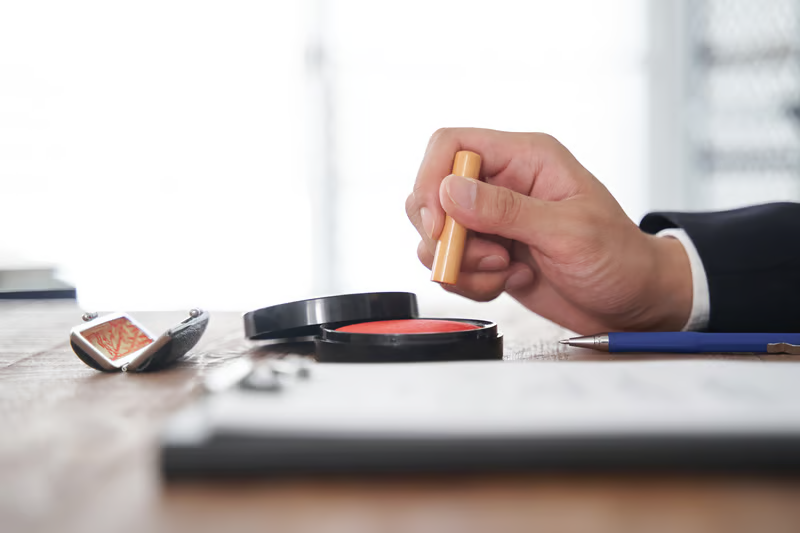
Design work in Japan spans a wide range of business structures. You might be employed full-time at an agency, contracted through a production company, operating as a sole proprietor (kojin jigyo-nushi), or cycling between all three depending on the season. Each arrangement brings its own set of documents, and most of those documents still rely on stamps.
Japan’s administrative culture hasn’t fully moved away from physical seals. Even in industries like design and tech, which skew younger and more digitally oriented, many clients — especially larger corporations, publishers, advertising agencies, and public-sector bodies — still require wet-ink stamp approval on contracts and invoices. This isn’t bureaucratic stubbornness for its own sake. In Japanese business culture, a stamped document signals finality, accountability, and mutual agreement in a way that a typed name doesn’t carry the same weight.
For foreign designers, there’s an added layer: you may be unfamiliar with which seal is appropriate for which situation, or you may assume a signature is always an acceptable substitute. It sometimes is, but not reliably. A Japanese client’s accounting department may reject an invoice that isn’t stamped. A coworking space may require a stamped rental agreement. Your staffing agency may hand you a packet of documents that assume you already have a seal ready.
The micro-scenario here is familiar to many: you receive a freelance contract from a Japanese client on a Friday, they need it back by Monday, and there’s a box labeled hanko or inkan with no English explanation. Not knowing whether to sign, stamp, or both is a stressful place to be. Knowing in advance that you’ll need a hanko — and having one ready — removes that friction entirely.
Common Documents and Timelines
Designers in Japan encounter seal requirements across several categories of paperwork. Understanding when each tends to appear helps you plan ahead rather than scramble.
Employment and staffing contracts. If you’re joining an agency or creative studio — even on a contract basis — your employment agreement will often include a stamp field. This typically happens on day one or even before you start, during the onboarding document phase.
Freelance service contracts (gyomu itaku keiyaku). Client-to-freelancer contracts are common in the Japanese design industry. These frequently include a stamp from both parties. If you’re working with a mid-size or larger Japanese company, expect this document to be formal and stamp-dependent.
Invoices (seikyusho). Not every client requires a stamped invoice, but many still do — particularly in traditional industries like publishing, advertising, and manufacturing. Having your hanko ready means you can submit invoices cleanly without back-and-forth.
Lease agreements. If you’re renting an apartment or a studio workspace, your lease will almost certainly require a stamp. This is one of the most time-sensitive situations, since delays can hold up your move-in date.
Bank account opening. Some banks require a registered seal (jitsuin or ginko-in) to open an account. Others accept a simpler personal seal. This varies by institution, so it’s worth checking with your specific bank in advance.
City hall registrations. If you register as a sole proprietor at your local municipal office, or if you’re filing for certain residency-related paperwork, stamps may be required there too.
The timeline pattern for designers is usually: lease paperwork → bank account → employment or client contract → ongoing invoicing. Getting your hanko early — ideally before or within the first week of arriving or starting work — means you’re prepared for all of it.
Recommended Hanko Type and Size
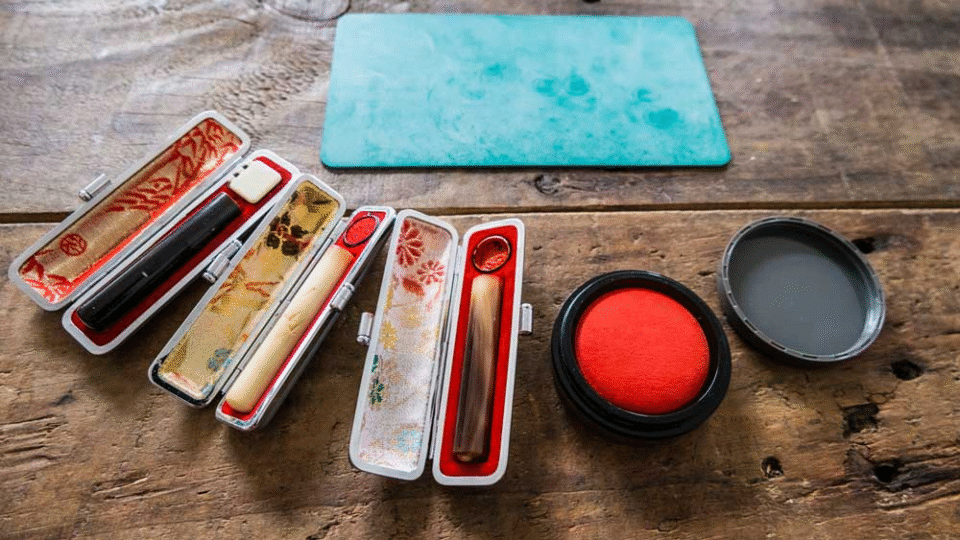
Not all hanko are the same, and for designers, the practical everyday needs are fairly clear.
For most professional and administrative purposes, a mitome-in (認め印) is sufficient. This is a general-purpose personal seal used for contracts, invoices, and everyday documents. It doesn’t need to be registered with the city office to be useful, which makes it accessible and low-friction.
If you’re opening a bank account, you may need a ginko-in (銀行印), which is a seal specifically registered with your bank. This is slightly separate from your everyday stamp, and keeping them distinct is a common practice in Japan — using the same seal for everything increases the risk if it’s ever lost.
A jitsuin (実印) is a registered personal seal with your local municipal office, and it carries the highest legal weight. It’s typically needed for major transactions — buying property, signing a mortgage, registering a company. For most foreign designers who are employed or freelancing, you’re unlikely to need a jitsuin immediately, but it’s worth knowing it exists.
Size guidance: A standard personal hanko is typically 10.5mm–12mm in diameter for everyday use. This fits standard stamp fields on contracts and invoices. Larger corporate-style seals (13.5mm–15mm) are more common for business seals, not personal ones.
Name considerations: Foreign names can be carved in katakana (phonetic), kanji (meaning-based), or romaji (Latin characters). Katakana is the most practical choice for most foreigners — it’s readable to Japanese parties and phonetically accurate to your name. Some designers opt for a kanji version they’ve chosen carefully, which can also work well and adds a personal touch.
Common mistakes in this area:
- Ordering a seal that’s too large for standard contract fields
- Using the same seal for banking and everyday documents without keeping a backup
- Assuming your signature will always be accepted in place of a stamp
- Ordering a seal in romaji only, which can occasionally cause confusion with more traditional clients or institutions
Ordering Tips in English
The good news: ordering a hanko as a foreigner in Japan has become significantly easier, especially through online services that accommodate English-speaking customers.
Here’s a practical checklist for ordering smoothly:
- Decide on the name format first. Know whether you want katakana, kanji, or romaji before you start. If you want kanji, have a choice ready — or ask the provider if they offer guidance.
- Choose the right type. For most designers, a mitome-in for everyday use is the starting point. If you need a bank seal, order that separately.
- Pick a material that suits your budget and how often you’ll use it. Resin and wood are affordable and durable for everyday contracts. Titanium or water buffalo horn last longer and hold up well if you’re stamping frequently.
- Confirm the size fits standard document fields. 10.5mm–12mm is the safe range for personal everyday use.
- Order earlier than you think you need to. Standard delivery in Japan is often 3–7 business days. If you’re working to a document deadline, don’t leave it to the last minute.
- Keep your hanko somewhere consistent. Many people use a small dedicated case or pouch so it doesn’t get lost in a bag or mixed up with other items.
If you’re still looking for the right role, ComfysCareer is a solid starting point for foreigner-friendly jobs in Japan.
HankoHub offers an English-friendly ordering process designed specifically for foreigners navigating Japanese paperwork, with options across name formats, materials, and seal types suited to both new arrivals and long-term residents.
FAQ
Do I legally need a hanko in Japan as a foreign designer? Not always in a strict legal sense, but practically speaking, many institutions and clients will require one. Contracts, leases, and banking paperwork frequently include stamp fields, and some organizations won’t process documents without one. Think of it less as a legal mandate and more as a practical necessity.
Can I just sign instead of stamping? Sometimes yes, sometimes no. Smaller clients and newer companies may accept a signature. Larger corporations, government offices, and traditional industries commonly expect a stamp. It varies by institution and situation, so having a hanko available means you’re covered either way.
What if my name is difficult to render in Japanese? Most hanko services that work with foreign customers are experienced with this. Katakana is flexible enough to represent most names phonetically. If your name is particularly long, it’s common to use your family name only, which fits the standard stamp field comfortably.
How long does it take to get a hanko made? Depending on the provider and materials, typically 3–7 business days for standard orders. Some providers offer express options. Planning ahead is always the better approach, especially if you have a document deadline approaching.
Is a digital hanko a real option? Digital seals are gaining ground in Japan, especially in tech-forward companies and remote work contexts. However, many traditional clients, landlords, government offices, and banks still require physical stamps. For designers who do a mix of client types, having a physical hanko remains the reliable baseline, with digital options as a complement where clients accept them.
Do I need to register my hanko? For a standard mitome-in used for everyday professional purposes, no registration is required. Registration at your municipal office (to create a jitsuin) is only necessary for high-stakes legal transactions. Most working designers won’t need this immediately.
Next Steps

If you’re a designer working in Japan — or preparing to — getting your hanko sorted early is simply good professional practice. It removes a recurring source of friction across contracts, invoices, leases, and banking, and it signals to Japanese colleagues and clients that you understand how things work here.
Order a practical personal hanko at HankoHub and get ready for paperwork. The process is straightforward, available in English, and designed with foreigners in mind — which means less guessing and more getting on with your work.